


The Vital Role of Improvisation in Performing Arts Education and Teacher Confidence

Improvisation is often seen as a spontaneous skill reserved for jazz musicians or seasoned actors. Yet, it holds a much deeper value in performing arts education. For music and theater teachers, prioritizing improvisation can transform how students engage with their craft and develop essential life skills. Despite this, many educators feel unprepared to teach improvisation effectively due to gaps in their own training. This post explores why improvisation deserves a central place in performing arts classrooms, how it enhances communication skills, and how teacher training programs can better support educators. We will also introduce Uplevel U: Music's specialized improvisation courses designed to build teacher confidence and enrich student learning.

Why Improvisation Matters in Music and Theater Education
Improvisation encourages creativity, adaptability, and active listening—skills that are crucial not only in the arts but in everyday communication. When students improvise, they learn to think on their feet, respond to unexpected situations, and express themselves authentically. These experiences build confidence and foster a deeper connection to their art form.
In music, improvisation helps students understand musical structure and theory in a practical, hands-on way. Instead of simply reading notes, they explore melody, rhythm, and harmony through experimentation. In theater, improvisation develops spontaneity and emotional awareness, allowing actors to inhabit characters more fully and react naturally to scene partners.
Teachers who emphasize improvisation create dynamic learning environments where students feel safe to take risks and make mistakes. This openness leads to greater engagement and a stronger sense of community within the classroom.
How Improvisation Improves Communication Skills
Improvisation is a form of real-time communication. It requires students to listen carefully, interpret cues, and respond clearly and creatively. These skills translate directly into improved verbal and nonverbal communication outside the classroom.
For example, in a theater improvisation exercise, students must pay attention to their partners’ body language and tone to build a believable scene. In music, improvising with others demands sensitivity to timing and dynamics, fostering teamwork and mutual respect.
Research shows that students who practice improvisation develop better social skills, including empathy and conflict resolution. These abilities are essential for success in any field and contribute to personal growth.
The Gap in Teacher Training on Improvisation
Despite its benefits, improvisation is often overlooked in teacher education programs. Many collegiate music and theater programs do not require improvisation courses, leaving future educators without formal training in this area. When improvisation is taught, it is frequently limited to high school jazz ensembles or specialized theater workshops.
This gap creates a cycle where teachers feel uncertain about how to introduce improvisation to their students. Without confidence or clear strategies, they may avoid improvisation altogether or rely on outdated methods that do not engage today’s learners.
The lack of training also means teachers miss opportunities to model improvisational skills themselves, which can inspire students and demonstrate the value of creative risk-taking.
How Lack of Training Affects Teacher Confidence
Teachers who have not been trained in improvisation often report feeling anxious about leading improvisational activities. They worry about managing unpredictable outcomes, maintaining classroom control, or not having enough expertise to guide students effectively.
This hesitation can limit the scope of performing arts education, reducing it to rote learning and scripted performances. When improvisation is absent, students lose out on experiences that build resilience, problem-solving skills, and authentic expression.
Building teacher confidence in improvisation requires accessible, practical training that addresses common challenges and provides clear frameworks for classroom use.

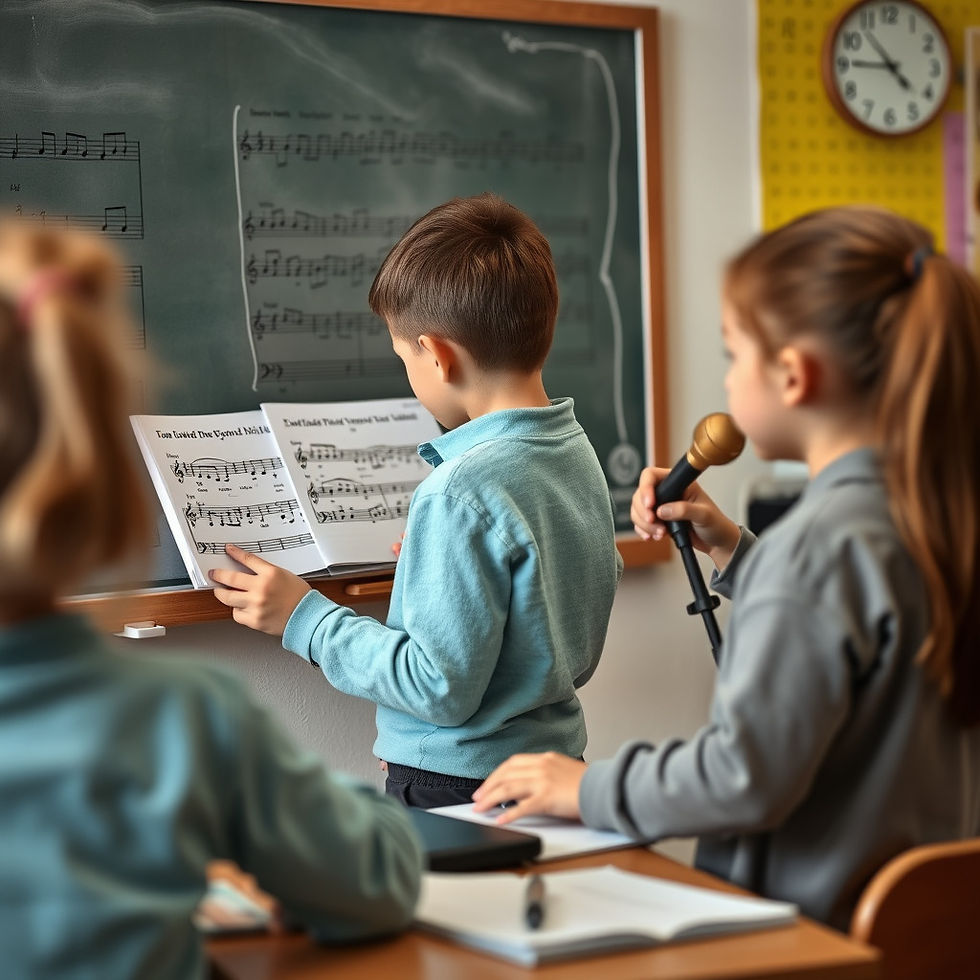
Image caption: Two students demonstrating an improvisation exercise, fostering creativity and communication skills.
Uplevel U’s Improvisation Courses for Teachers
Recognizing the need for better improvisation training, Uplevel U offers three targeted courses designed specifically for performing arts educators:
Improvisation in the Performing Arts
This course equips music teachers with tools to integrate improvisation into band, orchestra, and choir rehearsals. It covers techniques for encouraging spontaneous musical dialogue and building ensemble cohesion.
Improvisation in the Performing Arts: General Music
Designed for general music educators, this course focuses on age-appropriate improvisation activities that develop creativity and musical understanding across diverse student groups, with different classroom materials, instruments and performance mediums.
Improvisation in the Performing Arts: Theater
This course provides theater educators with practical exercises and lesson plans to introduce improvisation confidently. It emphasizes building trust, spontaneity, and emotional connection in the classroom.
Each course combines theory with hands-on practice, helping teachers build skills and confidence. Participants learn how to create supportive environments where students can explore improvisation safely and joyfully.
Encouraging Educators to Embrace Improvisation in Performing Arts Education
Improvisation is more than a performance skill; it is a powerful teaching tool that nurtures communication, creativity, and confidence. Music and theater teachers who embrace improvisation open doors for their students to grow as artists and individuals.
By addressing the training gap and building teacher confidence, we can ensure that improvisation becomes a standard part of performing arts education. Uplevel U’s courses offer a clear path for educators to develop these essential skills and enrich their classrooms.
Teachers who take this step will see their students become more engaged, expressive, and connected—not only to their art but to each other.

This article was written by Music Room/Uplevel U: Music's owner and creator, Karen (Kay) Janiszewski. This article was written by Music Room/Uplevel U: Music's owner and creator, Karen (Kay) Janiszewski.
#musicteacher #musiceducation #musiceducators #musicprofessionaldevelopment #musicpd #musicedpd #musicpde #musicedpde #musicceu #musicedceu


Comments